
The role of the physical store is changing. Consumers can purchase nearly anything online, making convenience alone an insufficient reason to visit a retail location. In response, retailers and developers are transforming stores and shopping centers into destinations that offer interaction, entertainment, hospitality, and social connection alongside traditional shopping. Known as experiential retail, this approach is giving consumers new reasons to visit physical locations and spend more time there. From product demonstrations and athletic activities to dining, fitness, live entertainment, and community events, these concepts offer experiences that cannot be replicated through e-commerce.
These facilities often combine several uses within one environment, introducing structural, operational, technological, and scheduling requirements beyond those of a conventional store.
The Continued Evolution of Physical Retail
Online shopping has changed consumer expectations, but it has not eliminated demand for in-person retail. Physical stores still provide immediate access to products and allow customers to see, touch, try, and compare merchandise before making a purchase.
Increasingly, however, consumers expect retail destinations to offer more than products. They are looking for engaging environments where shopping can be combined with dining, recreation, learning, entertainment, or time with family and friends.
This is particularly relevant for younger consumers who move naturally between digital and physical channels. A customer may research a product online, visit a store to test it, share the experience through social media, and complete the purchase through a mobile app. Rather than competing with digital commerce, successful brick-and-mortar concepts are becoming an extension of it.
Creating the Right Mix of Experiences
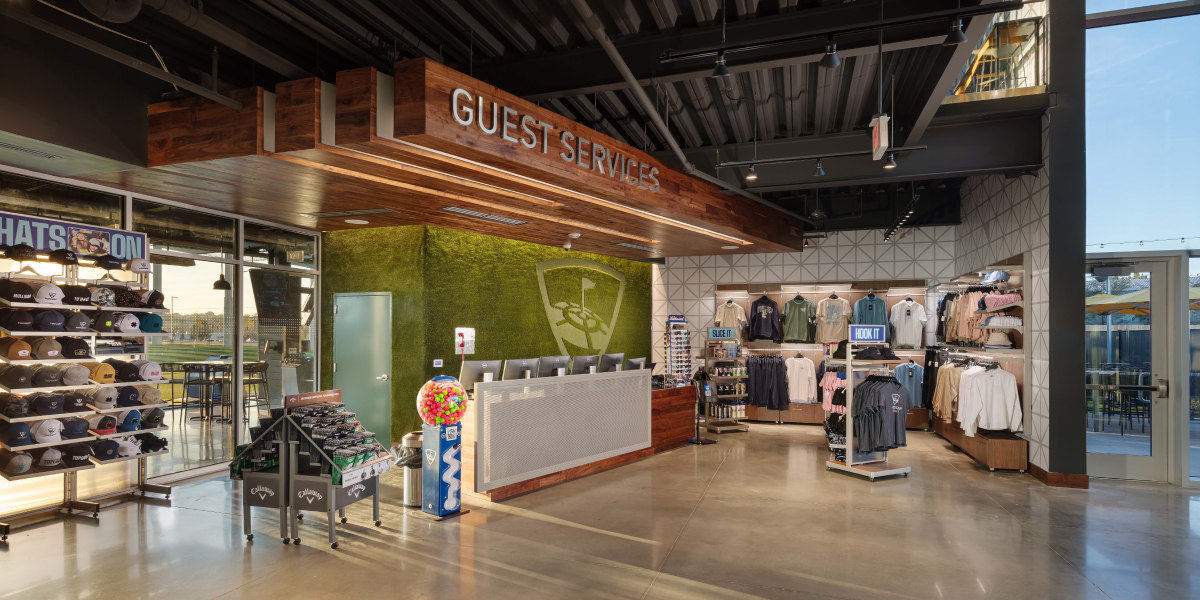
Experiential retail is not a single building type or design formula. It can include immersive brand environments, restaurants, boutique fitness concepts, entertainment venues, interactive showrooms, wellness services, or recreational activities.
A successful tenant mix encourages visitors to stay longer, return more frequently, and move throughout the property. Dining and entertainment can extend activity beyond conventional shopping hours. Fitness and recreation can produce consistent weekday traffic. Events and shared gathering spaces can create opportunities for recurring programming.
These uses should complement one another while giving each tenant a clear role within the larger destination. Simply adding an entertainment component does not guarantee engagement. The strongest concepts create a connected experience shaped around how people arrive, circulate, participate, and spend time within the property.
Sports and Recreation as Retail Anchors
Sports-focused concepts have become an important part of experiential retail. Athletic facilities, fitness centers, simulators, climbing walls, practice areas, and family recreation can attract visitors through both scheduled activities and everyday use.
Unlike destinations that depend primarily on occasional events, sports and recreation concepts can generate activity throughout the week. Training programs, leagues, demonstrations, lessons, and open-play opportunities give customers multiple reasons to return.
These facilities can also support surrounding retailers and restaurants. Families attending practices may shop, dine, or use nearby services, while tournaments and special events can introduce the development to visitors from a broader area.
To sustain that activity, the facility must be designed for multifunctional use. Retail, recreation, spectator, hospitality, and support spaces need to operate together while accommodating different users and levels of activity throughout the day.
DICK’S House of Sport Brings Retail and Recreation Together
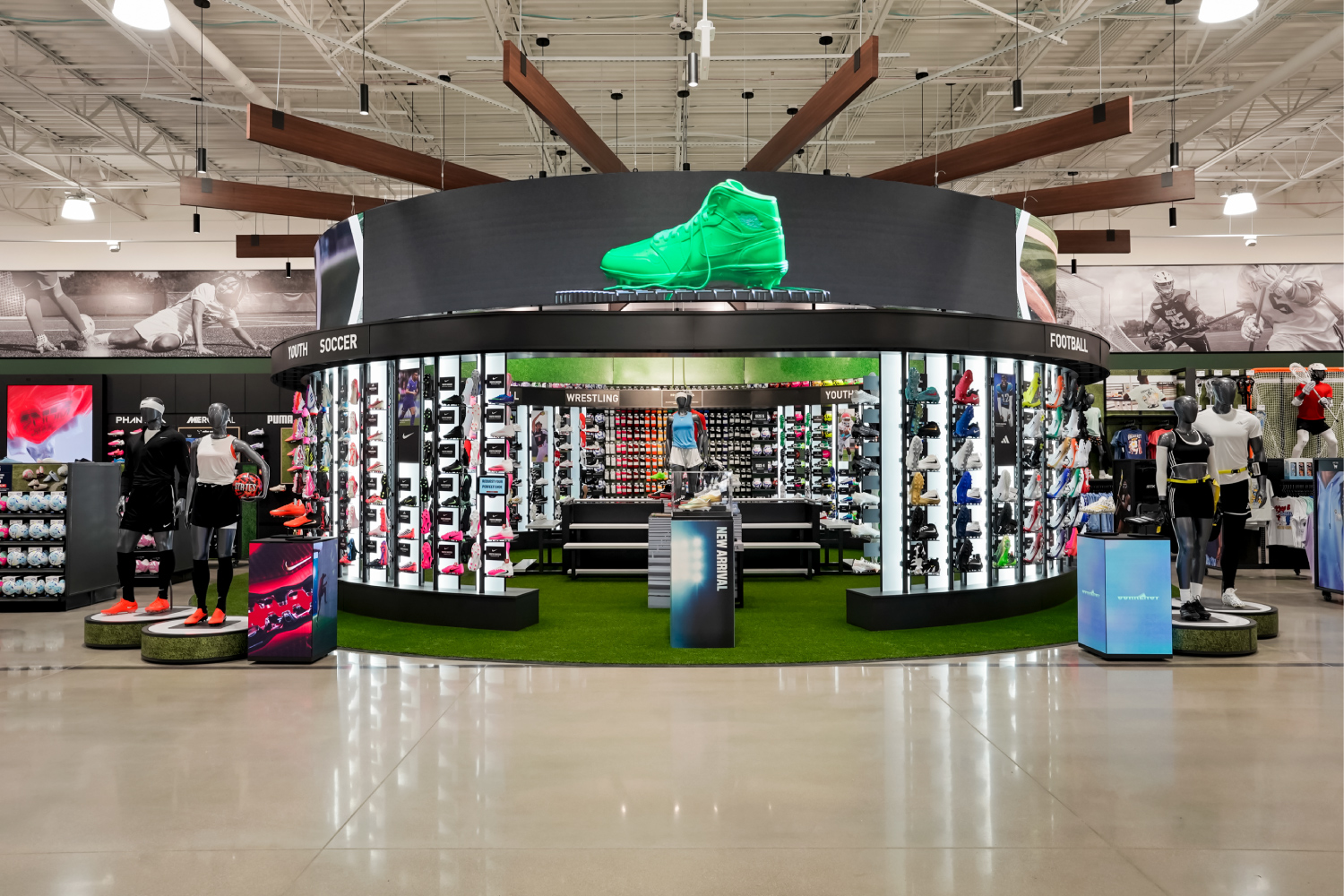
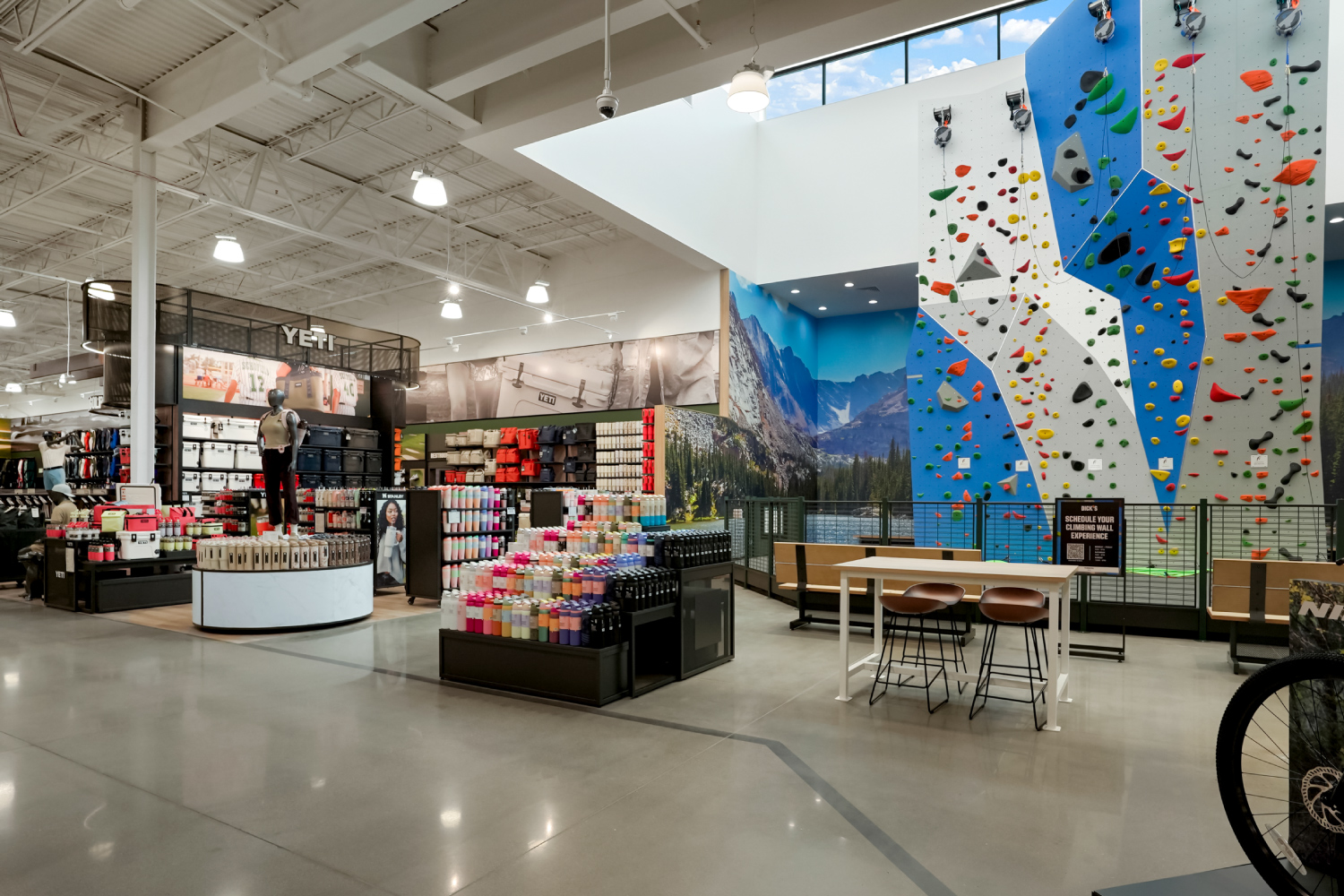
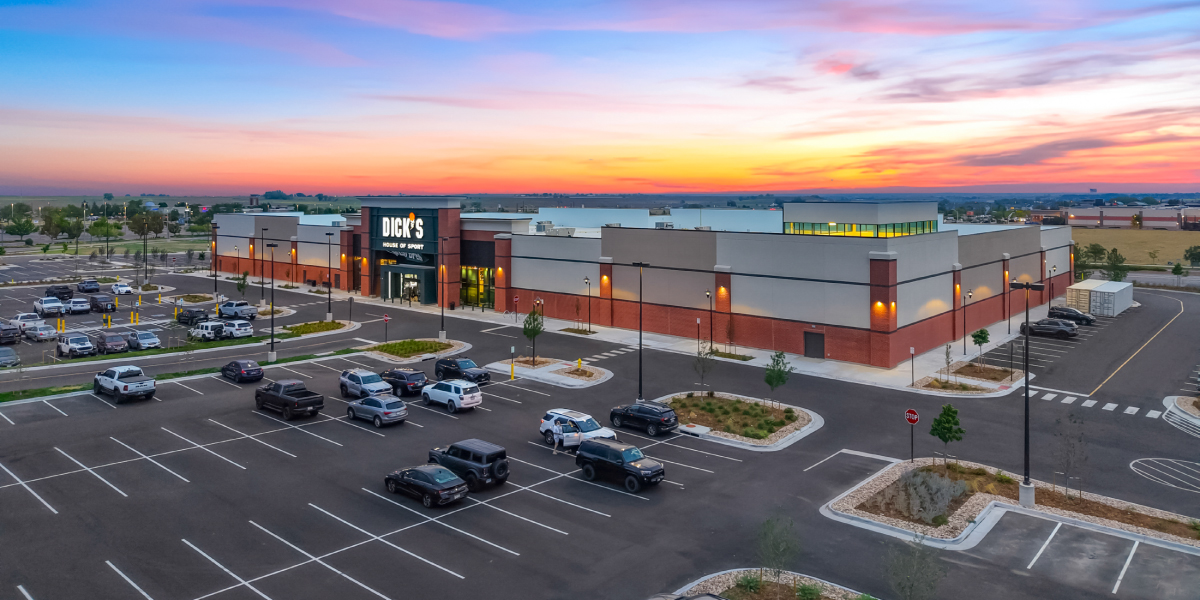
DICK’S Sporting Goods’ House of Sport concept demonstrates how an established retailer can turn a store into an active brand destination. Customers can shop for equipment and apparel while also participating in sports-focused experiences that encourage product discovery through play and practice.
ARCO recently completed a 90,000 SF DICK’S House of Sport in Thornton, Colorado. The one-level facility features a rock-climbing wall over 30 feet tall, a batting cage, a golf simulator, and additional activity zones integrated with the traditional retail environment.
The concept gives athletes and families opportunities to interact with products in ways that conventional displays cannot provide. It also allows the store to serve as a regional destination rather than solely a place to make a purchase.
Delivering this type of facility requires the retail environment and activity areas to be planned as a coordinated operation. Structural requirements, clear heights, equipment interfaces, customer circulation, lighting, technology, and life safety systems must all support the intended experience.
Technology Connects the Digital and Physical Experience
Technology is also helping retailers make physical stores more interactive and personalized. Digital displays, mobile integration, augmented reality, smart mirrors, simulators, and connected equipment can bridge the customer’s online and in-store experiences.
These features may help customers visualize products, access additional information, test equipment, or interact with the brand in a more engaging way. They can also give retailers insight into how visitors move through and use a space.
From a facility perspective, interactive technology requires early coordination. Electrical service, data infrastructure, wireless connectivity, equipment clearances, lighting conditions, and audiovisual systems must be incorporated into the building plan. Because these technologies continue to evolve, flexible infrastructure can help retailers update experiences without significantly disrupting operations.
A design-build approach supports this coordination by bringing construction, engineering, and vendor input into the design process. Instead of addressing technology and specialty equipment requirements after the primary layout has been established, the project team can evaluate them alongside architectural and building-system decisions.
New Opportunities for Existing Retail Properties
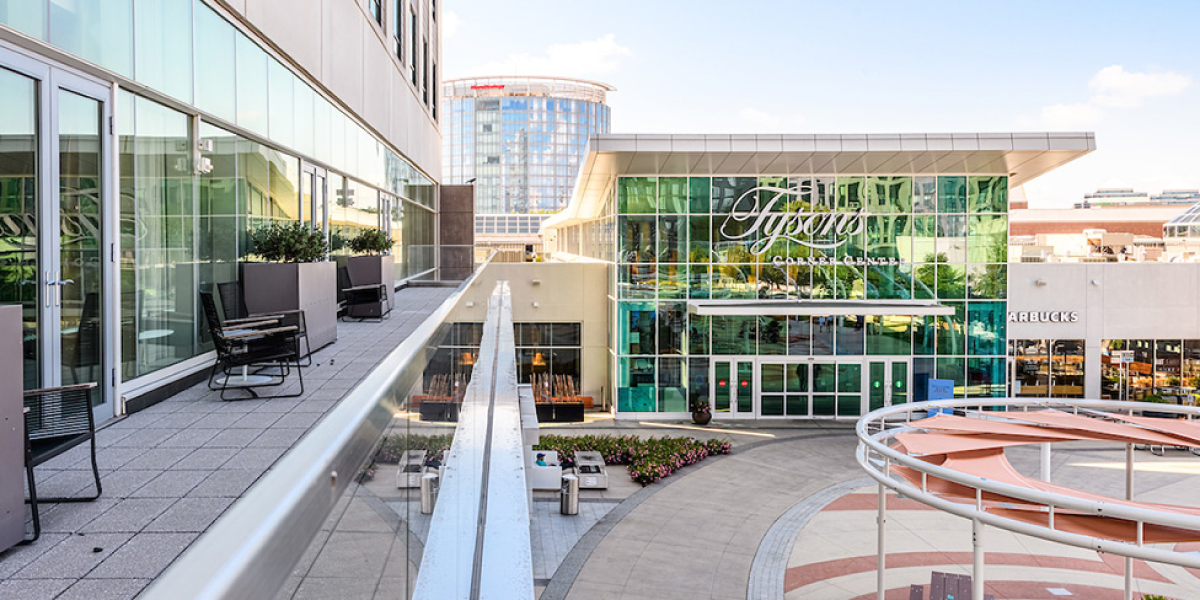
Experiential concepts are also changing how owners evaluate traditional shopping centers and malls. Properties that were once organized almost entirely around stores can be repositioned with dining, entertainment, recreation, wellness, hospitality, and other complementary uses.
Some properties may require significant redevelopment to support this transition, while others can be refreshed through targeted renovations and new tenant configurations. The appropriate strategy depends on the building’s condition, location, available space, access, parking, surrounding uses, and ability to accommodate new operational requirements.
Existing buildings present their own design and construction considerations. Recreational and entertainment tenants may require greater clear heights, stronger structural systems, specialized mechanical and electrical infrastructure, improved acoustics, or revised circulation patterns. Early design-build involvement allows these conditions to be evaluated alongside the proposed use, helping owners understand what the property can realistically support before the concept is finalized.
Phased construction may also be required when portions of a retail property remain open. By coordinating design, sequencing, temporary access, safety planning, and tenant communication through one integrated team, owners can move redevelopment forward while limiting disruption to ongoing operations.
Designing Spaces That Can Continue to Evolve
Experiential retail cannot remain static. Customers expect changing activities, new technology, updated programming, and fresh reasons to visit. Facilities should therefore be designed with enough flexibility to evolve alongside the brand and its audience.
Multipurpose activity areas, adaptable fixtures, accessible utility connections, and flexible technology infrastructure can support seasonal events and future concepts. Durable materials and maintainable building systems are also critical in environments that experience frequent use and changing visitor volumes.
Early coordination among owners, operators, designers, contractors, technology providers, and specialty equipment vendors helps translate an experiential vision into a functional facility. It also allows decisions about operations, constructability, procurement, and scheduling to be addressed before they affect execution.
Through an integrated design-build approach, ARCO brings these stakeholders together from the earliest stages of planning. This alignment helps ensure that the architecture, building systems, specialty features, and customer experience function as a unified whole.
The Future of Experiential Retail
The next generation of retail destinations will continue to blend shopping with dining, recreation, entertainment, wellness, and social activity. Successful properties will be able to serve multiple purposes and remain active throughout the day and week.
As the line between physical and digital retail continues to narrow, brick-and-mortar locations will remain relevant by delivering what online platforms cannot: shared, sensory, and participatory experiences.
Retailers and developers that clearly define those experiences and engage design-build expertise early will be better positioned to create destinations that attract visitors, encourage repeat engagement, and adapt as consumer expectations continue to change.
ABOUT ARCO NATIONAL CONSTRUCTION
ARCO National Construction is a leading design-build general contractor with experience delivering retail, sports, entertainment, hospitality, and other complex commercial facilities nationwide. Through its integrated delivery approach, ARCO partners with clients from early planning through construction to align design, operational requirements, specialty systems, and project execution within engaging, high-performing facilities.